
I have always wanted to know how things work.
Not just what happened, but why it happened. Not just what people believe, but what need that belief is serving. Not just what a technology does, why and if we need it. Not just what a myth says, but the grain of truth it congealed around.
That’s the impulse behind It’s Complicated.
A lot of media skims the surface. It explains the headline, summarizes the argument, picks a side. But the part I care about is usually one layer deeper: the context, the incentives, the history, the human need, the system producing the visible result.
I don’t want to make complicated things simple. That usually means sanding them down.
I want to make complicated things legible. I want to understand.
That may mean writing about technology, politics, neurodivergence, artificial intelligence, mythology, science, storytelling, publishing, or whatever else is currently rattling around in my head. The common thread is the same: what are we missing when we accept the easy explanation?
I’m also writing a connected body of speculative fiction—science fantasy, contemporary thrillers, cryptid horror—that grows out of that same obsession. My stories tend to start with things humans mythologize or misunderstand, then ask what happens when the truth is stranger, more human, and more consequential than the legend.
So that’s what this is.
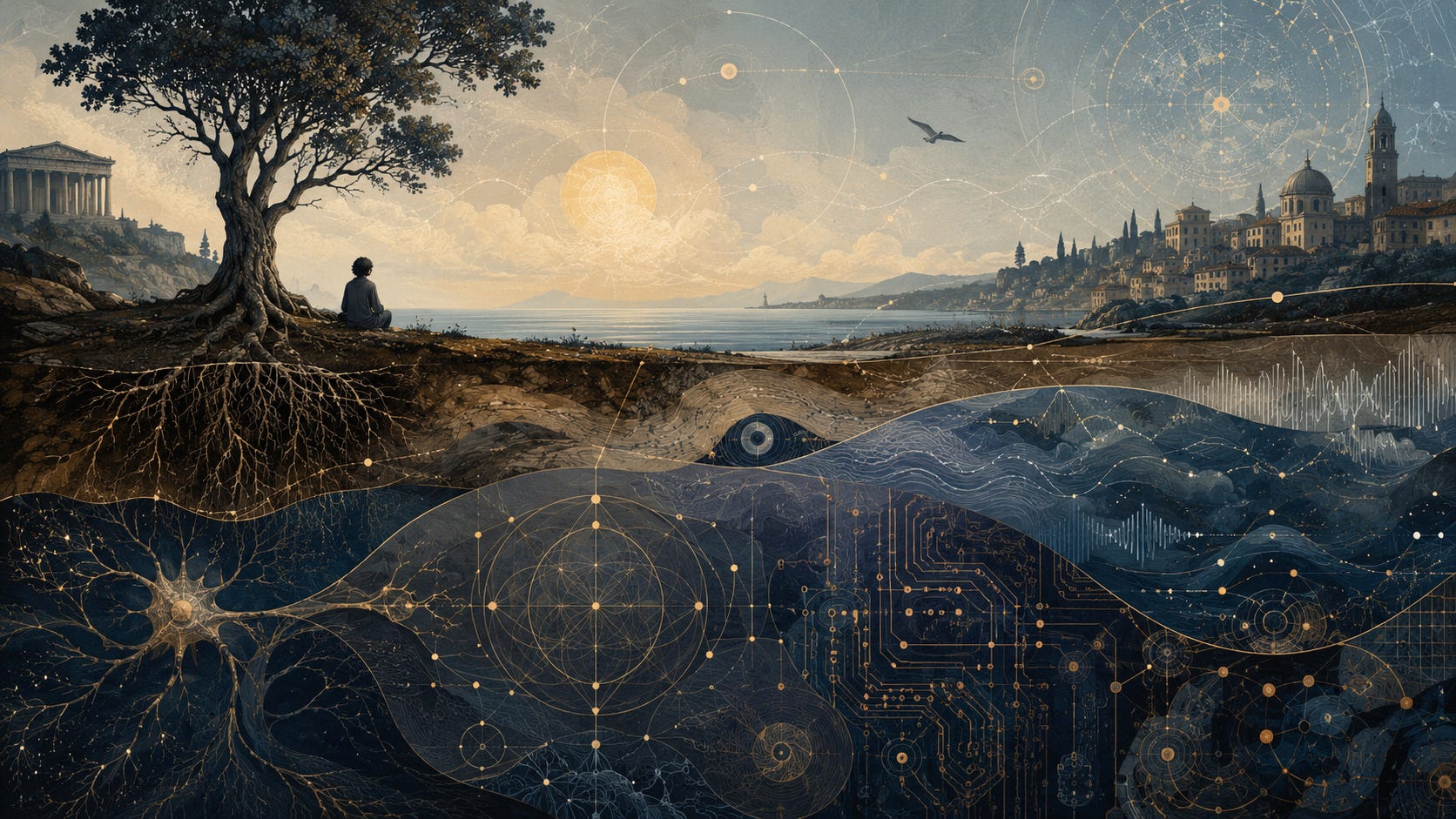
An attempt to understand without flattening. To explain without disenchanting. To keep the wonder, but give it bones.
If that sounds like your kind of trouble, welcome.
It’s complicated.
You ever read something by a writer and recognize a piece of yourself you never quite put to words? I like to say, “I am where mysticism is sent to be drawn and quartered.” But like you, I’m endlessly fascinated by the way our lizard brains attempt to make sense of the world.
I’d just encourage you to get away from using AI, even for low stakes posts like this. I used to do the same. I drew a hardline on fiction and poetry, but on posts like this, I’d use AI. Then I realized how easy it was to spot. It just sends the wrong signal.